
Machines are constantly in motion around us. Cars glide effortlessly, ceiling fans spin without pause, and factory equipment runs day in and day out. But behind all that smooth motion lies a hidden challenge: friction. If left unchecked, friction leads to very costly breakdowns. The simple yet powerful solution? Bearings. These small mechanical components play a crucial role in reducing resistance and keeping machines operating smoothly and efficiently.
In this article, we’ll break down how bearings work, and why they matter in the performance of machinery across industries, including right here in Tanzania.
What Are Bearings?
Bearings are mechanical components that facilitate controlled motion between two parts, by minimizing friction. Imagine trying to push a heavy box across the floor, it’s hard because of friction. Now imagine placing that box on wheels. Suddenly, it’s much easier to move. Bearings work on the same principle: they reduce the resistance between moving parts, and this enables smoother and faster motion with less effort.
Types of Bearings
There are several types of bearings, each designed for specific applications:
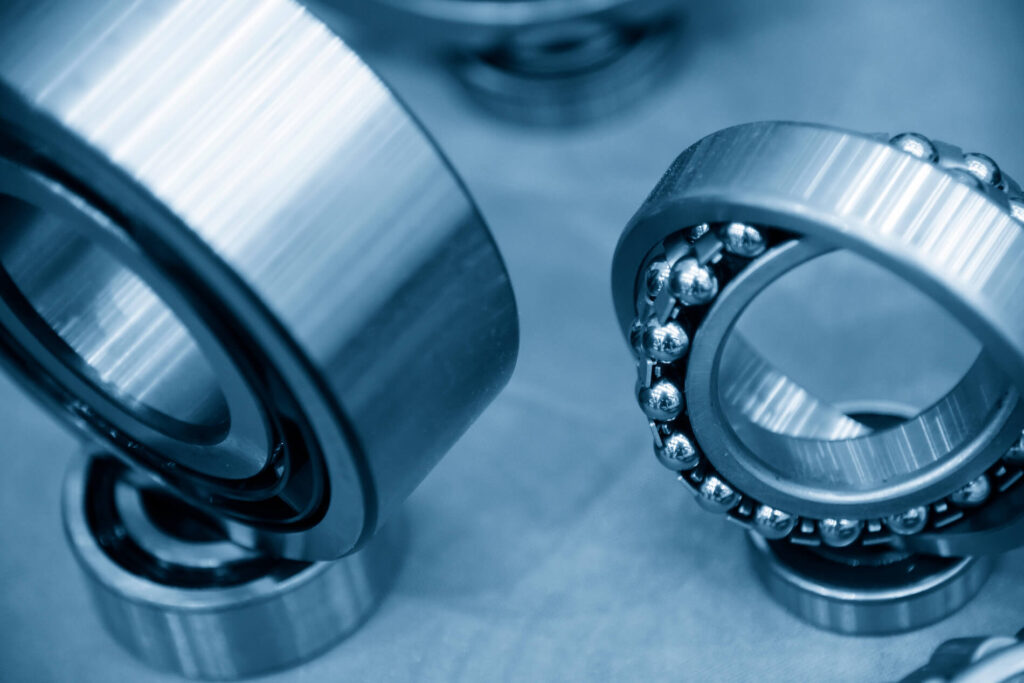
Ball Bearings: This is the most common type. Ball bearings use small balls sandwiched between two smooth surfaces (races) to reduce contact and enable rotation. These are found in everything from skateboards to hard drives.
Roller Bearings: Instead of balls, these use cylindrical rollers to support heavier loads, often used in conveyor belts and large machinery.
Thrust Bearings: Designed to handle axial loads (forces parallel to the shaft), these are used in automotive gear systems and turbines.
For a closer look at the bearing types Karimjee Bearings offer, feel free to browse our product range here.
The Role of Bearings in Reducing Friction
Friction is the natural resistance that occurs when two surfaces move against each other. While it’s useful in some cases (like helping your shoes grip the ground), it becomes a major obstacle in mechanical systems.
In machines, friction leads to three main issues:
Wear and Tear: The continuous rubbing of parts leads to physical degradation. Over time, this can cause components to lose their shape, crack, or break.
Heat Generation: Friction converts kinetic energy into heat. Excessive heat can cause materials to expand, warp, or even seize up, especially in high-speed machinery.
Energy Loss: Friction makes machines work harder than necessary. This not only wastes energy but can also reduce the overall efficiency of a system.
This is where bearings come in.
Bearings are designed to separate moving parts so that they don’t rub directly against each other. Instead, they roll using small balls or rollers, to keep the surfaces apart and allow motion with minimal resistance. This rolling motion is much more efficient than sliding, and it drastically reduces the surface area in contact, which cuts down on friction.
Most bearings are also used in conjunction with lubricants (like grease or oil), which form a thin layer between surfaces. This layer not only reduces friction further but also helps:
- Prevent metal-on-metal contact
- Carry away heat
- Keep out contaminants like dust and moisture
So, how exactly do bearings benefit your machinery?
Extended Machine Lifespan
With reduced friction, components are exposed to less physical stress. Bearings help prevent grinding, overheating, and early failure, meaning your machinery lasts longer and performs better over time.
Reduced Maintenance
Bearings reduce the need for constant part replacements or emergency repairs. When friction is under control, there’s less wear, fewer breakdowns, and longer intervals between servicing.
Increased Energy Efficiency
Machines that encounter less friction require less power to run. Bearings enable smoother operation with less energy loss, which can significantly reduce operational costs, especially in large-scale industrial systems.
Improved Performance and Precision
Bearings support stable, predictable motion. In high-speed applications like motors, turbines, or precision tools, this ensures smooth rotation, minimal vibration, and accurate movement. The result is quieter, more reliable, and higher-quality performance.
For trusted, high-quality bearings that keep your machines running smoothly, Karimjee is proud to be the official supplier of SKF Bearings in Tanzania. Whether you’re unsure which bearing fits your needs or ready to place an order, our friendly team is here to help every step of the way. Reach out to us today! We look forward to supporting your success and keeping your equipment in top shape.